What Not to Paint in Your House: 10 Surfaces to Avoid
That fresh coat of paint can make your home feel brand new. But before you grab a brush and start your interior house painting project, there’s something every Charles Town homeowner needs to know. Not everything in your home should be painted. Knowing what not to paint in your house can save you hundreds of dollars in repairs—and a lot of frustration.
Some surfaces look like they could use a quick refresh. But painting them creates problems that are expensive to fix. A professional house painter sees these interior painting mistakes to avoid all the time. When it comes to what not to paint in your house, the list might surprise you. The good news? You can avoid these problems completely.
Key Takeaways
Some painted surfaces can create safety hazards or damage your home’s systems.
Paint on certain materials won’t adhere properly and will peel or chip quickly.
Many interior painting mistakes to avoid involve small details homeowners overlook.
Ask a professional house painter before applying paint to unusual surfaces.
Knowing the things you should never paint protects your investment.
Understanding what not to paint in your house is just as important as choosing colors.
Why Some Surfaces Should Stay Paint-Free
Paint needs the right surface to stick. When you paint something that wasn’t meant to be painted, you’ll see peeling, cracking, and chipping within weeks. Any professional house painter will tell you that surfaces you shouldn’t paint are often the ones homeowners rush to cover first.
Other things you should never paint involve safety. Painting over smoke detectors or electrical components can put your family at risk.
Here are the interior house painting tips that matter most: know what to leave alone. Understanding what not to paint in your house starts with this list of 10 problem areas.
10 Things You Should Never Paint
Here’s your complete list of what not to paint in your house:
Electrical Outlets and Switch Plates
Paint on electrical outlets is a fire hazard. It can also prevent plugs from making proper contact. If you want your switch plates to match your walls, buy new plates in the color you want. They cost a few dollars and take seconds to install.
This is one of the most common interior painting mistakes to avoid. Many DIYers paint right over outlets without thinking. A professional house painter always removes or carefully masks these components. Electrical outlets top the list of things you should never paint.
Door Hinges and Hardware
Painting over door hinges causes them to stick, squeak, and eventually stop working. The paint builds up in the joints and prevents smooth movement. If your hinges look dated, replace them or remove them completely before painting the door.
The same goes for doorknobs, locks, and strike plates. These are surfaces you shouldn’t paint because the coating will chip off with regular use anyway.
Heating Vents and Radiators
Your HVAC system needs airflow to work properly. Paint on heating vents—especially multiple coats over the years—restricts airflow and reduces efficiency. Your system works harder, and your energy bills go up. One of the best interior house painting tips is to leave all HVAC components completely alone.
Radiators are another item on the list of things you should never paint with regular wall paint. If you must paint a radiator, use specialty high-heat paint designed for that purpose.
Smoke Detectors and Carbon Monoxide Detectors
This is a serious safety issue. Paint on smoke detectors can block the sensors and prevent them from working. These devices protect your family’s lives.
Never paint over any safety device. If they look dingy, replace them.
Thermostats
Paint on your thermostat can interfere with temperature readings and damage the internal components. Your heating and cooling system relies on accurate readings to maintain comfort and efficiency. Thermostats are definitely things you should never paint.
If your thermostat looks outdated, consider upgrading to a newer model. It’s a better solution than painting over surfaces you shouldn’t paint.
Window Tracks and Weatherstripping
Window tracks need to stay smooth so your windows open and close easily. Paint in the tracks creates buildup that makes windows stick or jam completely. This is one of the interior painting mistakes to avoid that many homeowners learn the hard way.
Weatherstripping should also stay paint-free. Paint makes it stiff and less effective at sealing out drafts.
Brick Fireplaces (Without Proper Preparation)
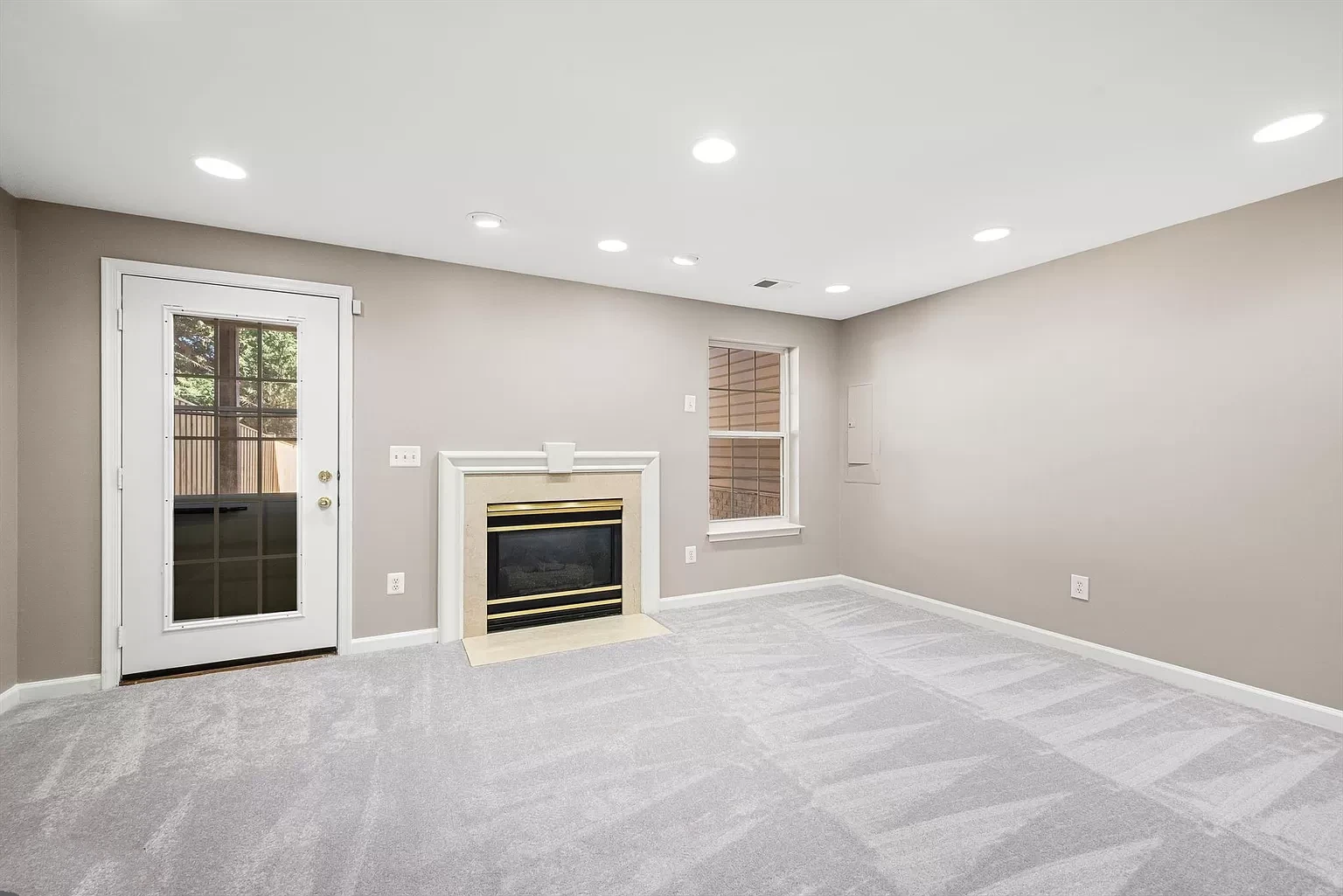
Many homeowners want to paint their brick fireplace for a modern look. But brick is porous, and painting it incorrectly can trap moisture inside. This leads to cracking, spalling, and expensive repairs.
If you want to paint brick during your interior house painting project, it requires specific primers and breathable paints. This is one job best left to a professional house painter who understands the materials involved.
Kitchen Countertops
Standard wall paint won’t hold up on countertops. The surface sees too much wear—cutting, heat, moisture, and cleaning chemicals. Paint will scratch and peel within weeks. This is basic interior house painting tips knowledge.
If you hate your countertops, replacing them is a better investment.
Bathtubs and Showers
Bathtubs and showers face constant moisture and wear. Regular paint will peel almost immediately. This is one of the surfaces you shouldn’t paint without professional-grade refinishing products. Among all interior house painting tips, this one could save you the most money.
Bathtub refinishing is a specialized skill. DIY kits rarely produce lasting results.
Vinyl or Laminate Flooring
Paint doesn’t stick well to vinyl or laminate. These materials are designed to resist stains and moisture, which also means they resist paint adhesion. You’ll see peeling within days.
If your floors need updating, consider replacement. These are the interior house painting tips that separate successful projects from costly mistakes.
When to Call a Professional House Painter
Interior house painting seems simple on the surface. But the details separate a job that lasts from one that needs redoing. A professional house painter knows the interior painting mistakes to avoid and has the tools to handle tricky situations.
They’ll properly mask and protect surfaces you shouldn’t paint. They’ll use the right primers and paints for each surface. When planning your interior house painting project, having a pro handle the work means you won’t accidentally paint things you should never paint.
Protect Your Charles Town Home
Now you know what not to paint in your house. These interior house painting tips will save you time, money, and frustration. Stick to surfaces meant to be painted, and your results will look better and last longer.
Ready to get your interior house painting project done right? The team at Appaloosa Painting Co. helps Charles Town homeowners avoid costly mistakes. We’ll handle the details so you get beautiful results.