

Gray paint has become a timeless favorite in interior design, admired for its versatility, sophistication, and calming effect. Whether you’re updating your living room, bedroom, or kitchen, choosing the right shade of gray can dramatically transform your space. However, with so many options available—from cool, bluish grays to warm, beige tones—picking the perfect gray paint for your walls can feel overwhelming.
If you want your walls to look flawless and achieve that perfect finish, this guide will walk you through everything you need to know about selecting the ideal gray paint. From understanding undertones to testing samples, we’ll help you make confident choices that elevate your home’s aesthetic.
Why Is Gray Such a Popular Choice?
Gray’s popularity stems from its neutral qualities that complement a wide range of decor styles—from modern minimalism to rustic farmhouse. It pairs effortlessly with bold accent colors or soft pastels, making it incredibly flexible. Additionally, gray acts as a subtle backdrop that highlights artwork, furniture, and accessories without overpowering the space.
But the key to a stunning gray wall lies in selecting the right shade with the right undertones, applied correctly, and in a space with good lighting.
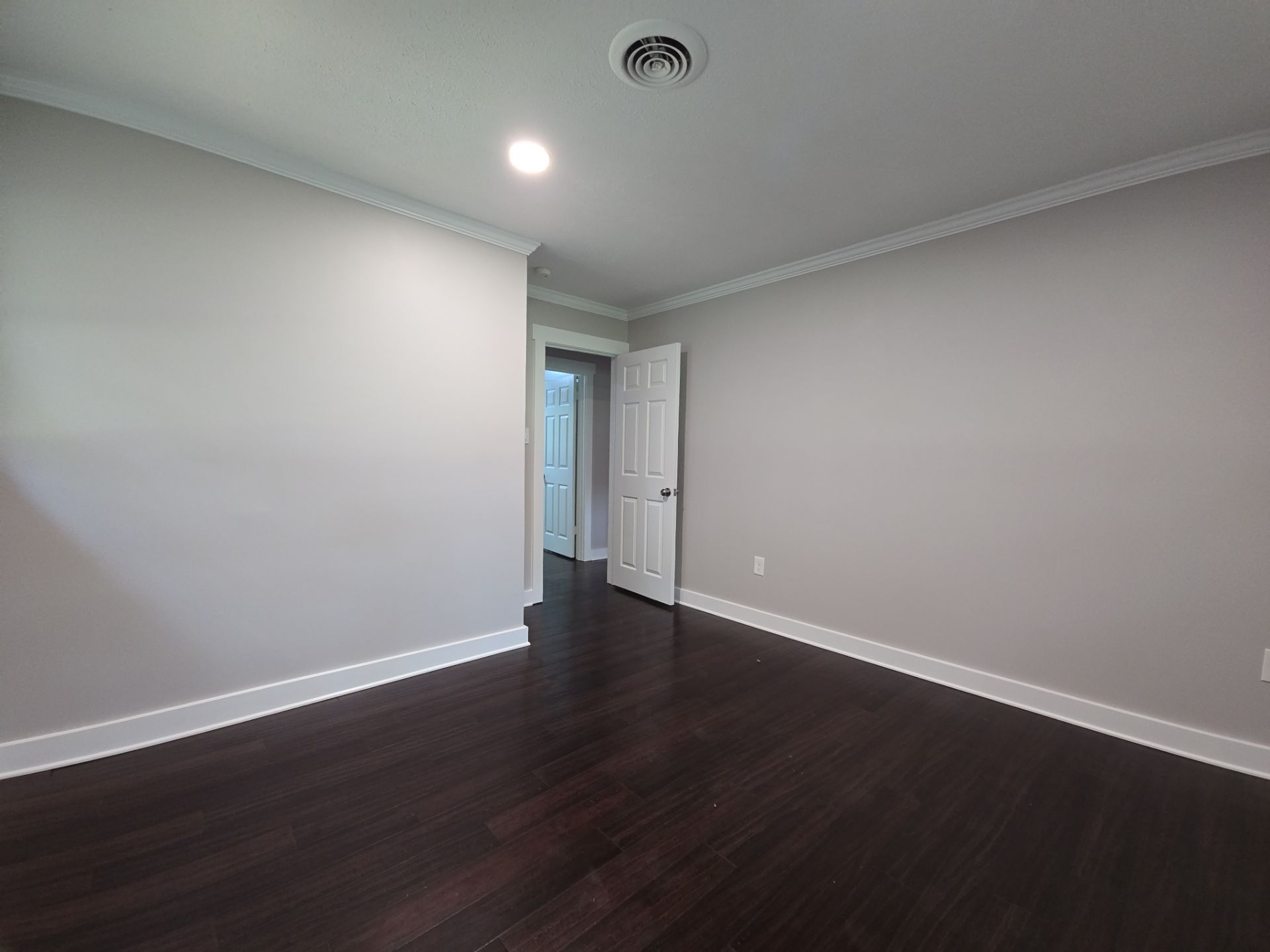
Step 1: Understand the Different Types of Gray
Gray isn’t just one color; it’s a spectrum with various undertones. Recognizing these undertones is essential because they influence how the paint appears in your space:
- Cool Gray: Has blue, green, or violet undertones. It creates a crisp, modern look and works well in spaces with lots of natural light.
- Warm Gray: Contains beige, taupe, or brown undertones. It adds warmth and coziness, perfect for creating inviting, traditional spaces.
- Neutral Gray: Balanced with no strong undertones, making it versatile and adaptable to various lighting conditions and decor.
Choosing the right type depends on your room’s lighting, furnishings, and overall design aesthetic.
Step 2: Consider Your Lighting Conditions
Lighting plays a crucial role in how gray paint appears on your walls. Natural light, artificial lighting, and even the direction your room faces can dramatically change the look of gray shades.
- North-facing rooms: Tend to have cooler, bluish light that can make gray appear cooler or even slightly bluish.
- South-facing rooms: Receive warm, yellowish sunlight, which can warm up cool grays and make warm grays appear softer.
- Artificial lighting: Incandescent bulbs emit warm light, enhancing warm undertones; LED and fluorescent lights tend to be cooler, emphasizing blue or green undertones.
Before committing to a color, observe how different lighting throughout the day affects the swatch. This ensures you pick a shade that looks perfect in your actual space.
Step 3: Test Multiple Samples
Never rely solely on small paint chips or online images. Always test multiple paint samples directly on your walls. Apply 2-3 shades of gray on large poster boards or sample patches in different areas of the room. Observe how they look at different times of day and under various lighting conditions.
Allow the samples to dry thoroughly before making your decision. Remember, paint colors can change as they dry and cure, so patience pays off.
Step 4: Match with Your Existing Decor
Your furniture, flooring, and accessories influence how a gray will look in your space. For example:
- Warm gray tones work beautifully with wood furniture, beige, cream, and earth tones.
- Cool gray shades pair well with black, white, navy, or metallic accents.
- If your decor is vibrant or colorful, a neutral or cool gray can act as a calming backdrop.
Create a mood board or gather swatches of your existing decor to visualize how the paint will harmonize with your overall design.
Step 5: Consider the Finish
The paint finish affects how the color appears and how durable it is:
- Matte/Flat: Offers a soft, velvety look that minimizes imperfections but can be harder to clean—best for bedrooms and ceilings.
- Eggshell: Slight sheen, good for living rooms and bedrooms.
- Satin: Slightly more reflective, suitable for kitchens and bathrooms.
- Semi-gloss/Gloss: Highly reflective, ideal for accent walls or areas requiring frequent cleaning.
Choosing the right finish can enhance the depth and richness of your chosen gray shade.
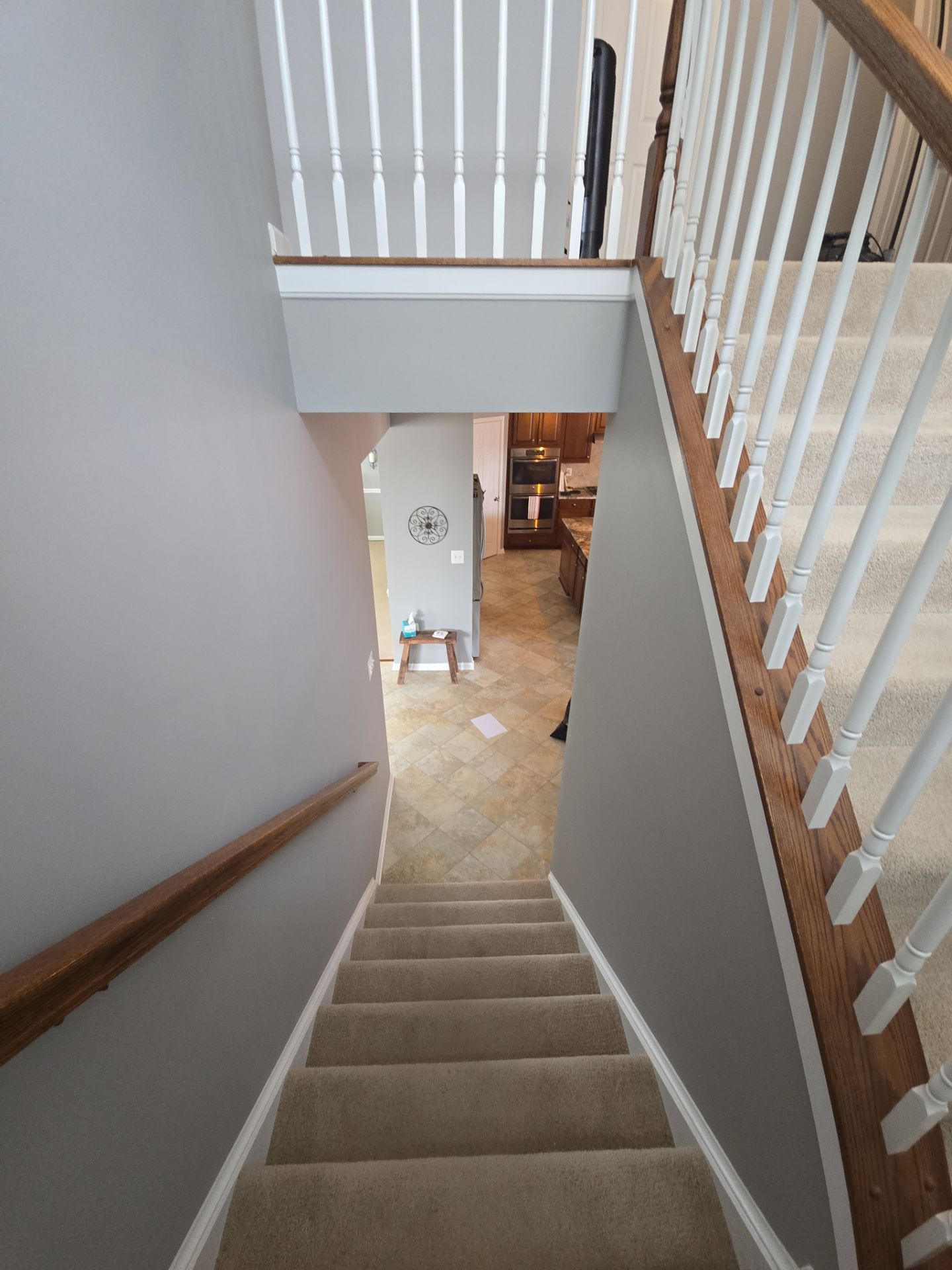
Step 6: Purchase Quality Paint and Prepare Properly
Investing in high-quality paint ensures even coverage, true color, and longevity. Follow proper preparation steps—clean the walls, repair imperfections, and use a primer if needed—to achieve a smooth, professional-looking finish.
Applying multiple thin coats rather than one thick coat will give you better color consistency and durability.
Bonus Tips for a Flawless Gray Wall Finish
- Use painter’s tape: To create clean edges and protect trim and ceilings.
- Work in ideal conditions: Paint in moderate temperatures with low humidity for the best results.
- Take your time: Allow sufficient drying time between coats, and don’t rush the process.
- Coordinate with decor: Add textiles, art, and accessories that complement your chosen gray for a cohesive look.
Final Thoughts: Achieving the Perfect Gray Wall
Picking the right gray paint involves a combination of understanding undertones, considering lighting, testing samples, and coordinating with your decor. When done correctly, gray walls can serve as a stunning, versatile backdrop that elevates your entire space.
Remember, patience and preparation are key. Don’t rush your decision—take your time to observe how different shades look in your specific environment. With thoughtful selection and proper application, your walls will look flawless and timeless.
If you’re unsure about choosing the perfect gray or want professional assistance, consider consulting with our interior designers or professional painters who can help you find and apply the ideal shade for your home. After all, your walls are the canvas of your home’s style—make sure they look perfect!