
Have you ever come home to find patches of your wall paint bubbling, cracking, or peeling away? This frustrating problem not only affects the appearance of your walls but can also indicate underlying issues that need attention. Understanding why paint bubbles, crack, and peel off walls is essential for maintaining a beautiful, long-lasting finish. In this blog, we’ll explore the common causes behind these issues, how to prevent them, and when to seek professional help.
What Causes Paint to Bubble, Crack, and Peel?
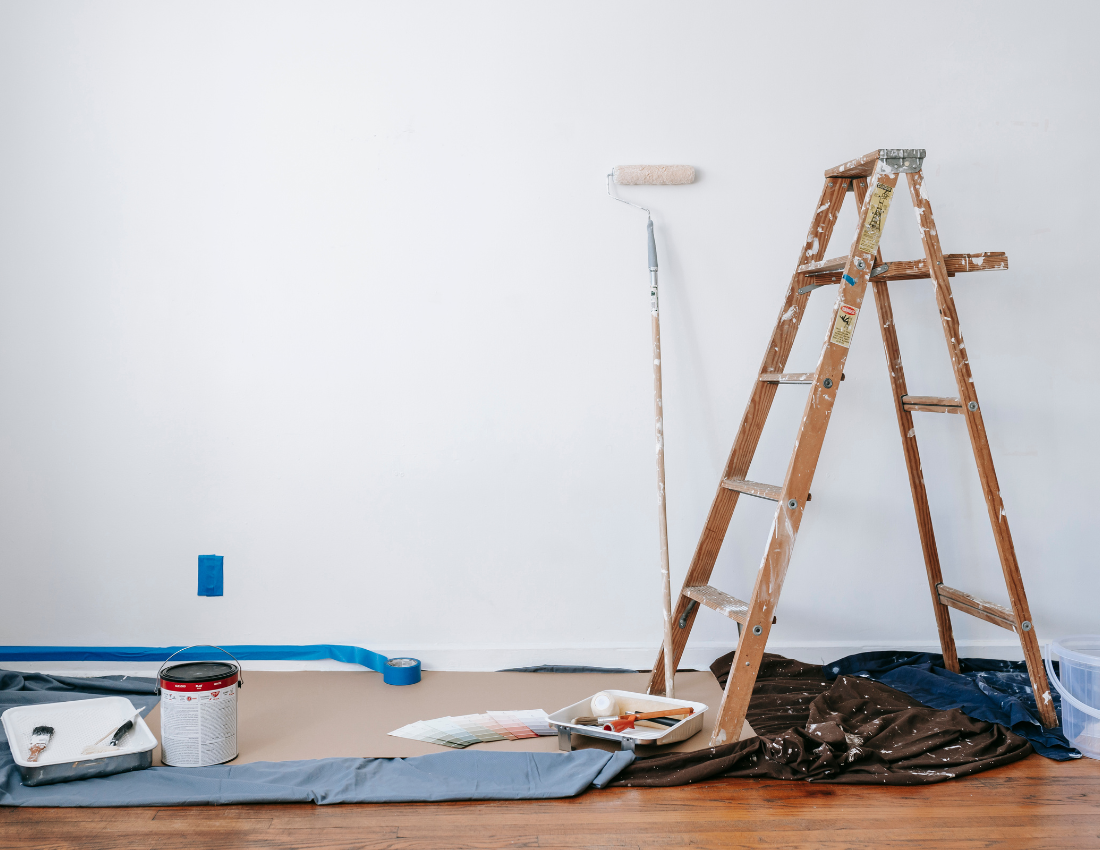
Paint problems like bubbling, cracking, and peeling are often symptoms of deeper issues. Let’s examine the primary reasons behind these common paint failures:
1. Moisture and Water Damage
One of the leading causes of paint bubbling and peeling is excess moisture. When water seeps into the walls—due to leaks, high humidity, or poor ventilation—the paint layer can’t adhere properly. This trapped moisture causes the paint to lift and form bubbles, which eventually burst or peel away.
Key indicators: Water stains, mold growth, or a musty smell.
How to fix: Identify and repair leaks, improve ventilation, and allow the wall to dry thoroughly before repainting.
2. Inadequate Surface Preparation
Proper surface preparation is vital for durable paint application. If the wall is dirty, greasy, or old paint isn’t properly sanded or cleaned, new paint may not adhere well. This can lead to cracking and peeling over time.
Key indicators: Peeling paint that seems to flake off easily.
How to fix: Clean the surface with a mild detergent, sand rough areas, and prime the wall before repainting.
3. Applying Paint Over Uncured or Incompatible Paints
Applying a new coat of paint over an old, uncured, or incompatible paint layer can cause bubbling and peeling. This is especially true if oil-based paint is applied over latex paint or vice versa without proper surface preparation.
Key indicators: Bubbles forming soon after painting.
How to fix: Remove peeling paint, sand the surface, and apply a suitable primer before repainting.
4. Excessive or Uneven Application of Paint
Applying too thickly or unevenly can trap solvents and moisture beneath the surface, resulting in bubbles. Similarly, rushing the process without allowing sufficient drying time can cause issues.
Key indicators: Bubbles appearing after paint has dried.
How to fix: Apply thin, even coats and follow the manufacturer’s drying times.
5. Poor Quality Paint or Improper Application Conditions
Low-quality paints are more prone to cracking and peeling. Additionally, painting in extreme temperatures, high humidity, or direct sunlight can interfere with proper curing.
Key indicators: Cracks or peelings appearing shortly after application.
How to fix: Choose high-quality, suitable paint and paint under optimal weather conditions.
How to Prevent Paint Bubbles, Cracks, and Peeling
Prevention is always better than cure. Here are some tips to help you maintain a flawless paint job:
- Prepare the Surface Properly: Clean, sand, and prime the wall before painting.
- Address Moisture Issues: Fix leaks, improve ventilation, and use dehumidifiers if necessary.
- Choose the Right Paint: Use high-quality paints suitable for your surface and environment.
- Follow Manufacturer Instructions: Apply paint in appropriate weather conditions and follow recommended drying times.
- Apply Thin Coats: Multiple thin coats are better than one thick coat for durability.
- Use Proper Tools: Use good brushes and rollers to ensure even application.
When to Call in a Professional

If you notice extensive bubbling, peeling, or cracking that seems to stem from underlying issues like water infiltration or structural problems, it’s wise to consult a professional painter or contractor. They can assess the root cause and recommend appropriate repairs, ensuring your walls stay beautiful for years to come.
Final Thoughts
Paint bubbling, cracking, and peeling off walls are common problems that can often be traced back to moisture issues, improper surface prep, or poor application techniques. By understanding why your paint bubbles, cracks, and peels, you can take proactive steps to prevent these issues and achieve a smooth, lasting finish. Proper preparation, quality materials, and suitable application conditions are key to protecting your walls and maintaining the aesthetic appeal of your home.
If you’re dealing with persistent paint problems, don’t hesitate to seek professional advice. A well-maintained paint job not only enhances your home’s beauty but also adds to its value and longevity.