

Chipped paint might seem like a small thing at first, but it has a way of catching your eye every time you walk past that wall, trim, or window frame. For homeowners in Martinsburg, WV, learning how to repair chipped paint isn’t just about looks—it’s about protecting your walls, wood, and drywall from further damage.
When paint chips, it often signals more than just wear and tear. Moisture, dust, heat, leaks, or even the wrong primer can lead to paint peeling or flaking. Left untreated, those small spots can turn into bigger issues like wood rot, rust, or permanent stains.
Key Takeaways:
- Chipped paint often signals deeper issues like leaks, heat, or poor primer, not just surface damage.
- Tools such as scrapers, sandpaper, putty knives, and wire brushes are used to prep and smooth chipped areas.
- Professionals repair chipped paint by scraping, patching with spackling paste or joint compound, sanding, priming, and repainting.
- Common problem areas include walls, ceilings, wood trim, bathrooms, kitchens, and around windows.
- Hiring professional painters ensures lasting repairs and prevents future peeling or rust.
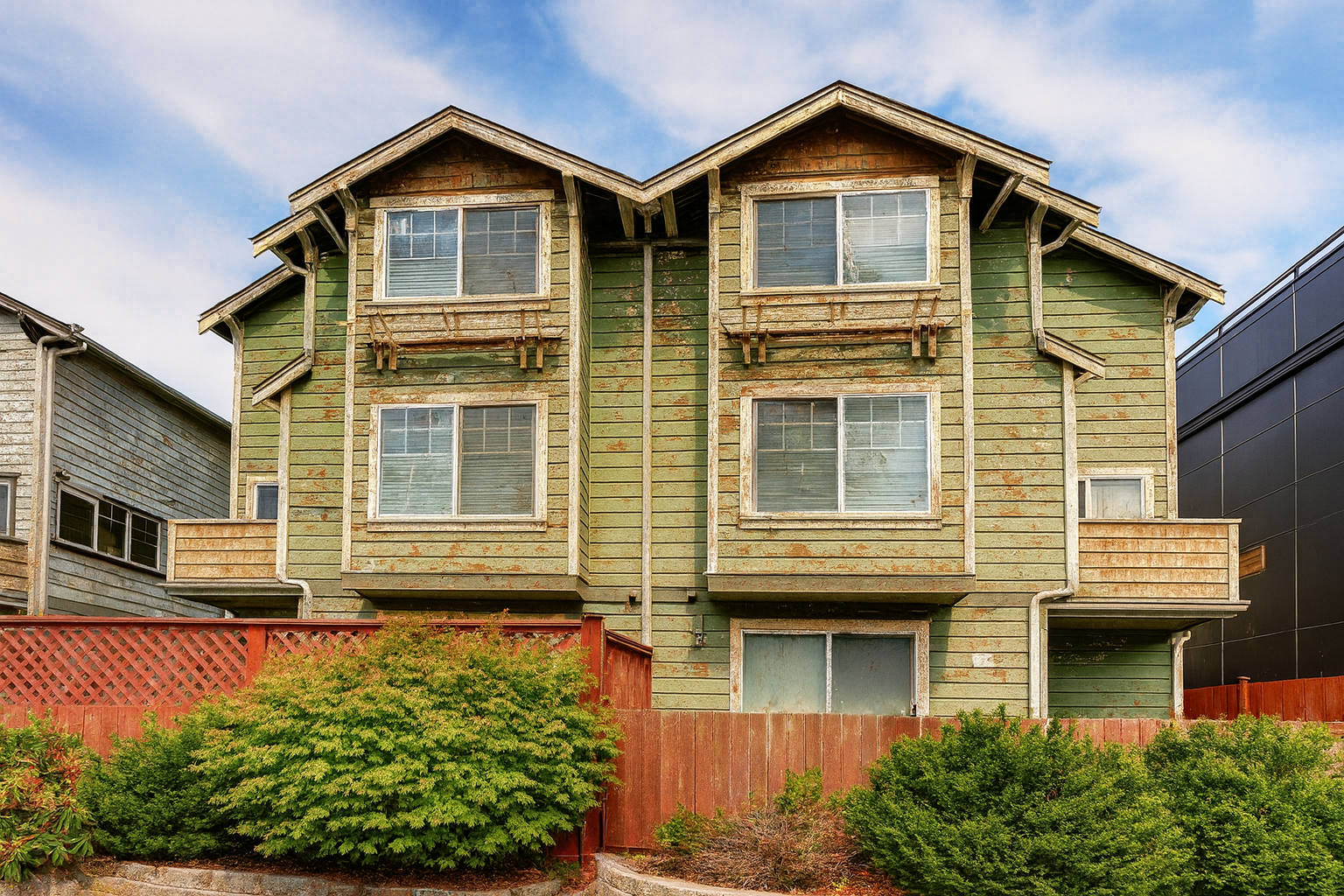
Why Paint Chips Happen in the First Place
Before jumping into how to repair chipped paint, it helps to know what causes it. Paint doesn’t peel for no reason. Some common culprits include:
- Moisture or leaks: Water can sneak behind paint layers on drywall, ceilings, or bathroom walls.
- Poor prep work: Skipping sanding or forgetting a coat of primer makes paint less likely to stick.
- Heat and pressure: Kitchens, bathrooms, and areas around windows and floors deal with a lot of temperature swings.
- Old layers: Too many coats over time can create weak spots.
- Surface issues: Dust, rust, or old adhesive on wood or drywall can push paint away.
Understanding the “why” helps prevent future chips, especially when paired with the right products like enamel paint, spackling paste, and a proper paintbrush.
Tools and Materials Often Used for Chipped Paint Repair
When professional painters handle repairs, they bring the right tools to get the job done smoothly. Common items include:
- Scraper or razor for lifting loose paint
- Wire brush or sandpaper for smoothing out rough edges
- Putty knife and spackling paste or joint compound for filling gaps
- Masking tape, plastic, and drop cloths to protect your floor and windows
- Primer and the right type of paint—whether latex, oil, or enamel paint
- Fine paper or polishing tools for blending surfaces
- Specialized sealers for waterproofing areas prone to leaks
These steps go far beyond a quick fix. They protect the repaired area, prevent more dust and peeling, and bring a smooth finish that blends into your home’s interior design.
The Step-By-Step Process of How to Repair Chipped Paint
Every house painting project is unique, but here’s the general process professionals follow when tackling chipped walls, wood, or trim in Martinsburg:
- Scrape and Clean. Loose paint is carefully scraped away with a scraper or razor. A wire brush helps clear away flakes and leftover dust.
- Smooth the Surface. Edges are lightly sanded with sandpaper or a sanding tool. This keeps new paint from highlighting the chip’s outline.
- Patch the Area. A thin layer of spackling paste, joint compound, or putty is applied with a putty knife. On wood, a special filler may be used for strength.
- Sand Again for Blending. After the filler dries, the area is sanded down until flush with the wall or trim.
- Prime and Paint. A quality primer locks in the repair. Then, the chosen finish—latex, oil, or enamel paint—is applied for a seamless look. Multiple coats may be needed, depending on the surface. For more on this, see how many coats of primer make the biggest difference.
Common Surfaces That Need Chipped Paint Repairs
Different areas of the home deal with chipped paint in different ways. Some examples where professional painters in Martinsburg, WV often step in:
- Walls and ceilings: Chips caused by leaks, scratches, or pressure.
- Wood trim and windows: Moisture or heat expansion leads to flaking.
- Bathrooms and kitchens: Steam and heat wear down paint faster, especially around waterproofing areas.
- Floors and stairs: Paint here sees constant pressure from shoes or wheels.
Sometimes chipped paint isn’t just about appearance—it can signal damage underneath. If chips expose lead paint in an older Martinsburg home, that’s a serious safety issue requiring immediate professional care.
The Cost Question: How Much to Fix Chipped Paint
The costs depend on:
- Size of the damaged area
- Type of surface (drywall vs. wood vs. concrete)
- Products needed (spackling paste, joint compound, sealers, etc.)
- Labor time
Even small projects can range between a few hours to a full day of work, especially if there’s rust, water damage, or underlying drywall issues.
Mistakes That Make Chipped Paint Worse
Trying to cover chipped paint without proper prep usually creates more problems. Some frequent mistakes include:
- Painting over rough edges without sanding
- Skipping primer and going straight to paint
- Using the wrong type of paint (latex on oil-based surfaces, for example)
- Not addressing leaks or waterproofing issues first
- Forgetting to tape off with masking tape, leading to uneven lines
For homeowners, avoiding these errors is just as important as fixing the paint itself. Sometimes, small oversights are the difference between a repair that lasts and one that chips again in months. If you’re curious about other common issues, we’ve written about painting mistakes that often come up in Martinsburg homes.
How Professionals Prevent Future Paint Chips
Repairs aren’t only about patching what’s already damaged. A good painter will also think ahead. Preventive steps often include:
- Fixing moisture issues like leaks before repainting
- Using waterproofing products in bathrooms and kitchens
- Applying the right type of primer for each surface
- Choosing paint finishes designed for high-use areas
- Proper cleanup with microfiber cloths and tools to avoid new scratches
Even details like sanding with the right paper, using a steady paintbrush stroke, or choosing between latex and oil matter for long-term results.
Protecting Your Martinsburg Home from Chipped Paint
Knowing how to repair chipped paint is one thing. Having the repair done right, with the right products and tools, is what keeps your home looking sharp and protected. Whether it’s a small chip on a bathroom wall, peeling near a kitchen window, or paint bubbling from a leak, professional painters in Martinsburg, WV can restore both appearance and durability.
If you’re seeing chipped or peeling paint, don’t wait for it to spread. Call Appaloosa Painting Co. at 540-202-7600 today for a FREE estimate in Martinsburg, Charles Town, WV, and nearby areas. Your walls, trim, and ceilings will thank you.