You walk into a room, stare at those faded, chipped walls, and ask yourself the question every homeowner asks: should I paint over old paint, or do I need to start from scratch? It’s a fair question—and the answer could save you hundreds of dollars or cost you a complete redo six months from now.
Interior house painting ranks among the most common home improvement projects in Purcellville and across Northern Virginia. Yet most homeowners skip the research phase and jump straight into buying paint. That’s where problems begin. The condition of your existing paint determines everything—from whether you need primer to how long your new coat will last.
Key Takeaways
Can You Paint Over Old Paint?
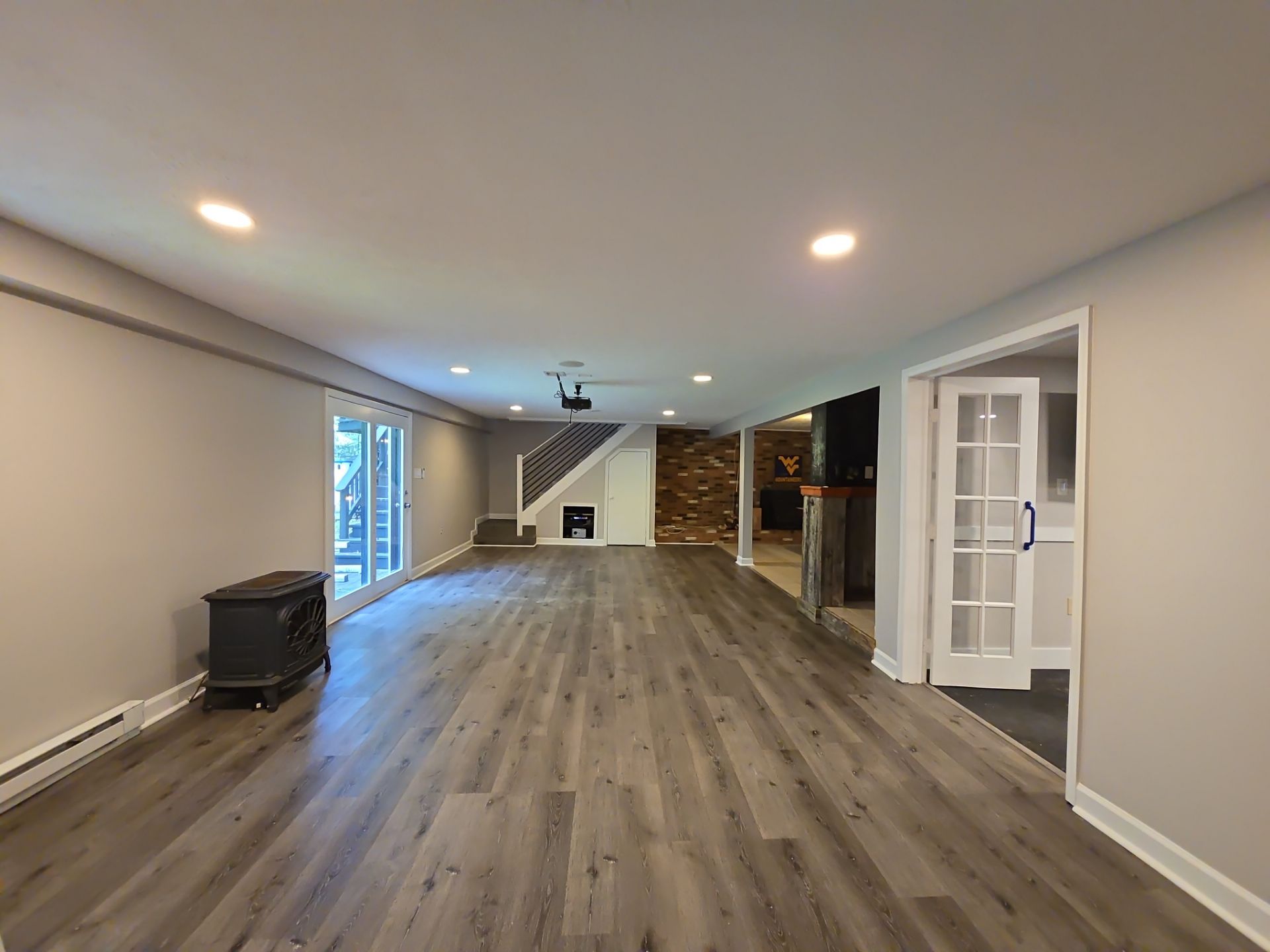
The short answer: sometimes. Can you paint over old paint without any prep work? Rarely. The condition of the existing surface matters more than the age of the paint itself.
Here’s what to look for when deciding if interior painting over existing paint will work in your home:
Should I Paint Over Old Paint or Prime First?
This question trips up even experienced DIYers. The answer depends on three factors: the type of existing paint, the type of new paint, and the surface condition.
When priming is required:
The Hidden Risks of Skipping Prep Work
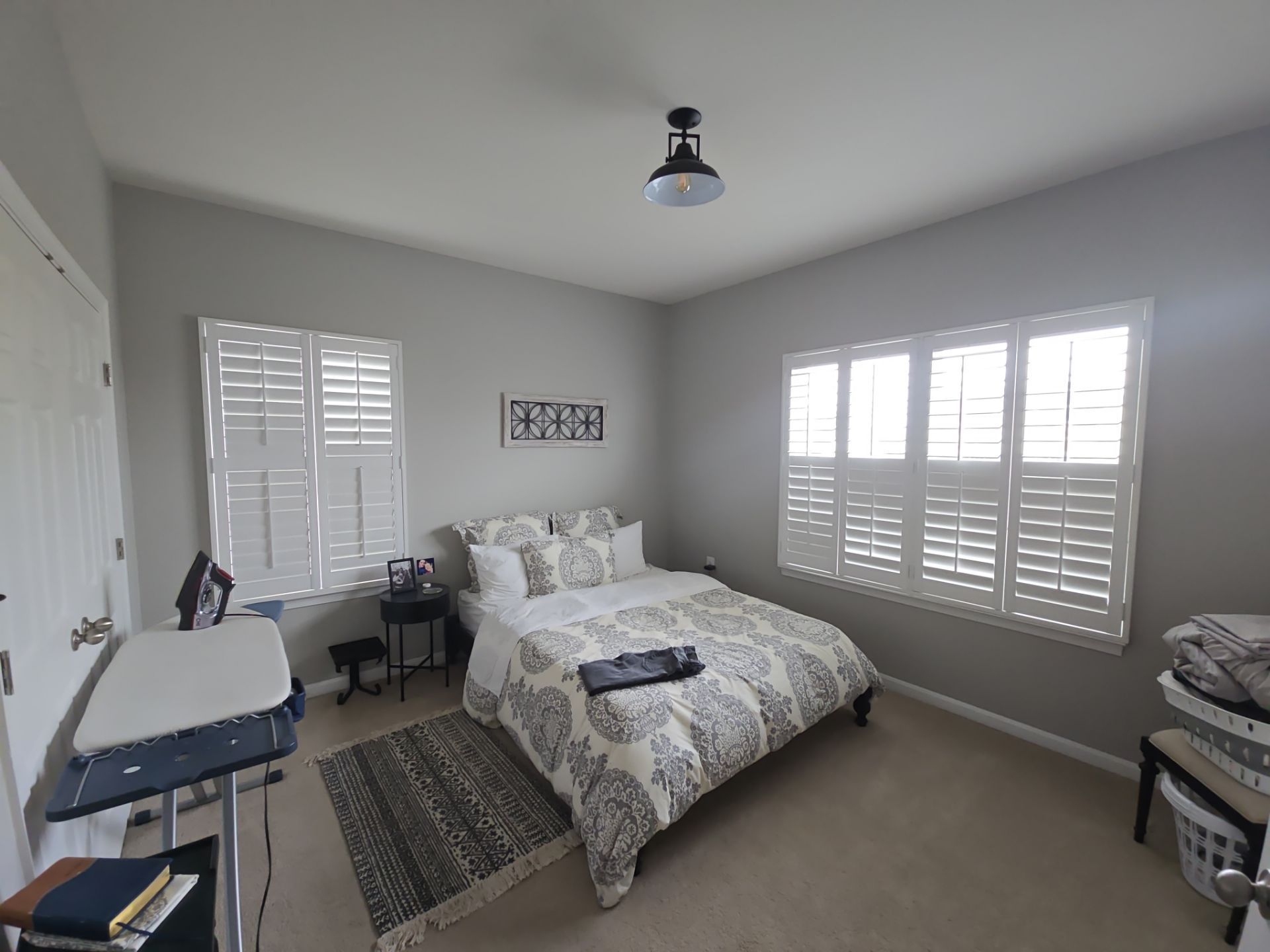
Here’s what most articles won’t tell you: the failure point of any paint job is almost never the paint itself. It’s the prep work—or lack of it.
When homeowners ask should I paint over old paint and then proceed without proper preparation, common failures include:
A professional house painter spends 60-70% of project time on preparation. That ratio exists for a reason.
What Professional Painters Check Before Interior House Painting
When a professional house painter evaluates a room for interior house painting, they examine factors most homeowners overlook:
The Right Approach for Purcellville Homes
Whether you tackle interior house painting yourself or bring in help, the process remains the same:
- 1
Assess the existing surface thoroughly. Test adhesion. Check for chalking. Identify the paint type.
- 2
Clean every surface. Dust, grease, and grime prevent proper adhesion. TSP (trisodium phosphate) cleaners work well for tough buildup.
- 3
Repair damage before painting. Fill holes. Scrape loose paint. Sand rough patches. Caulk gaps around trim.
- 4
Prime when necessary. Don’t guess—use the guidelines above to determine if painting over old paint without priming will work for your situation.
- 5
Apply quality paint with proper technique. Two coats minimum. Cut in edges first. Maintain a wet edge to avoid lap marks.
Get the Right Answer for Your Walls
Still wondering should I paint over old paint in your Purcellville home? The safest approach is getting an expert opinion before you invest in paint and supplies.
Appaloosa Painting Co. provides free consultations for homeowners planning interior house painting projects. We’ll assess your surfaces, identify any issues that need attention, and give you an honest recommendation—whether that means hiring us or tackling the project yourself.